Starting a small herb garden indoors is a rewarding way to bring fresh flavors into your kitchen and add a touch of greenery to your living space. Whether you have a sunny windowsill or just a little counter space, growing herbs indoors is easier than you might think. This guide will walk you through everything you need to know to get your herb garden up and thriving.
Why Grow Herbs Indoors?
Indoor herb gardening offers several benefits:
– Fresh herbs year-round
– Convenience in cooking
– Control over growing conditions
– Decorative addition to your home
– Educational and fun hobby
With just a few pots and basic supplies, you can have your own mini garden that brightens meals and your space.
Choosing the Right Herbs for Indoor Gardening
Not all herbs are equally suited to growing indoors. Some thrive better than others in limited sunlight and indoor conditions.
Best Herbs for Beginners:
– Basil: Needs bright light; perfect for sunny windows.
– Mint: Very hardy, can tolerate less light; be cautious as it spreads quickly.
– Parsley: Prefers moderate light, slow growing.
– Chives: Easy to grow, likes bright light but adapts well.
– Thyme: Requires good light and well-draining soil.
– Oregano: Prefers full sun but tolerates indoor settings.
– Cilantro: Needs cooler temperatures and bright, indirect light.
Choose herbs based on your kitchen’s light availability and your cooking preferences.
What You’ll Need to Start
Before planting, gather the necessary materials:
– Containers: Small pots with drainage holes work best.
– Potting mix: Use a light, well-draining soil blend designed for herbs or vegetables.
– Seeds or starter plants: Seeds are more economical but take longer. Starter plants offer a quick start.
– Watering can or spray bottle: For gentle watering.
– Grow light (optional): If your natural light is limited, grow lights provide the needed light spectrum.
– Labels: To keep track of your herbs.
Setting Up Your Indoor Herb Garden
Step 1: Choose a Location
Most herbs need 6–8 hours of light daily. A south-facing window is ideal. If natural light is scarce, consider using a grow light set on a timer for 12–16 hours a day.
Step 2: Prepare Your Pots
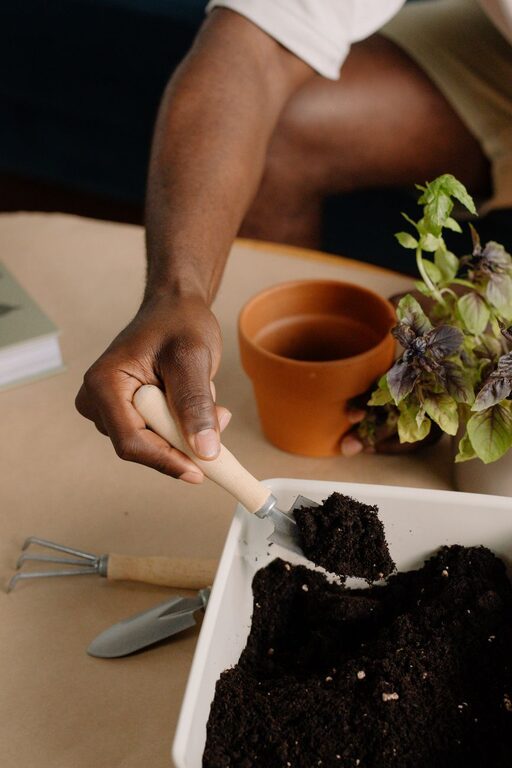
Fill your pots with potting mix, leaving about an inch of space at the top. Moisten the soil slightly before planting.
Step 3: Planting
– If using seeds, follow the packet instructions for depth and spacing.
– If planting seedlings, gently loosen the roots and place them in the soil.
– Cover seeds with a thin layer of soil.
Step 4: Watering
Water gently to avoid displacing seeds. Keep soil moist but not soggy. Overwatering can lead to root rot.
Step 5: Temperature and Humidity
Herbs generally prefer temperatures between 60-70°F. They thrive in moderate humidity; if your home is dry, you might place a humidity tray or use a humidifier nearby.
Caring for Your Indoor Herb Garden
Light
Rotate pots weekly to ensure even light exposure and prevent plants from leaning.
Watering
Water when the top inch of soil feels dry. Consistency is key.
Fertilizing
Feed your herbs with a diluted liquid fertilizer every 4-6 weeks during the growing season.
Pruning and Harvesting
Regularly pinch off leaves to encourage bushier growth and prevent herbs from flowering too early, which can reduce flavor.
Troubleshooting Common Issues
– Yellow leaves: Usually a sign of overwatering.
– Leggy plants: Not enough light.
– Pests: Check regularly for pests like aphids or spider mites; wipe leaves with a damp cloth or use natural remedies.
Tips for Maximizing Your Indoor Herb Garden
– Group herbs with similar needs together.
– Use matching containers for a neat look.
– Try combining herbs in a larger container for a mini kitchen garden.
– Keep a small notebook to record your watering and feeding schedule.
Conclusion
Starting a small herb garden indoors is a fun and practical way to add fresh flavors to your meals and brighten your home. With the right selection of herbs, proper light, and consistent care, even beginners can enjoy a thriving indoor garden. So gather your supplies, pick your favorite herbs, and enjoy the benefits of fresh homegrown herbs all year round. Happy gardening!
About the Author