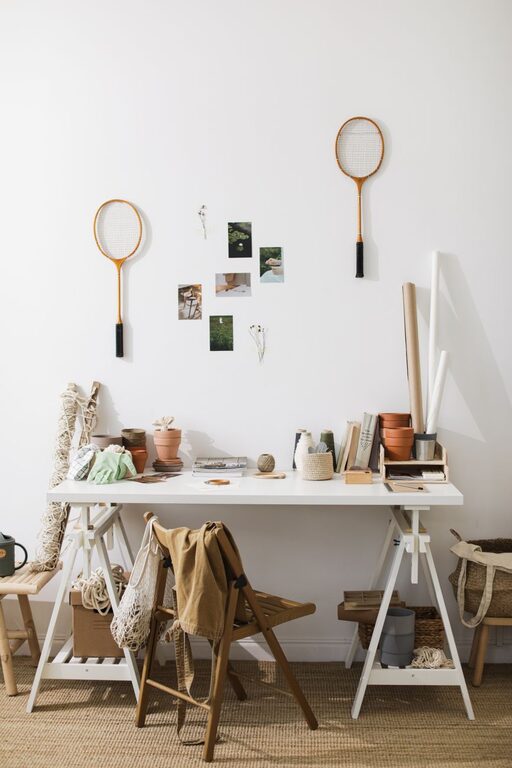

Bringing houseplants into your living space not only adds natural beauty but also improves indoor air quality and creates a calming environment. However, keeping these green companions healthy requires attention and the right care techniques. Whether you are a seasoned plant enthusiast or just starting out, this guide provides practical tips to help your houseplants thrive.
Choose the Right Plants for Your Space
Before bringing a plant home, consider the lighting conditions, humidity, and temperature of the space where you plan to keep it. Some plants require bright, direct sunlight, while others thrive in low light environments.
– Low Light Options: Snake plants, pothos, and ZZ plants are excellent for dimmer areas.
– Bright Light Lovers: Succulents, cacti, and fiddle leaf figs prefer ample sunlight.
– Humidity Lovers: Ferns and peace lilies benefit from higher humidity levels, common in kitchens or bathrooms.
Matching the plant’s needs with your space’s environment is the first step to long-term health.
Understand Proper Watering Techniques
Watering is one of the most common plant care challenges. Underwatering or overwatering can both harm your plants.
– Check Soil Moisture: Insert your finger about an inch into the soil. If it feels dry, it’s time to water.
– Use Proper Drainage: Ensure pots have drainage holes to prevent water from pooling, which can cause root rot.
– Water Evenly: Pour water slowly and evenly to saturate the soil without flooding.
Remember, different plants have different water needs. Succulents store water and need less frequent watering, whereas tropical plants generally require more consistent moisture.
Provide Adequate Light
Lighting affects photosynthesis and directly influences your plants’ growth and health.
– Natural Light: Position plants near windows with filtered sunlight to avoid leaves burning.
– Artificial Lighting: If natural light is limited, consider using grow lights designed for indoor plants.
– Rotate Plants: Turning your plants periodically helps all sides receive equal light, promoting balanced growth.
Maintain the Right Temperature and Humidity
Most houseplants come from tropical or subtropical climates, so they enjoy relatively warm and humid indoor conditions.
– Maintain temperatures between 65-75°F (18-24°C) during the day.
– Keep plants away from drafts, heaters, or air conditioners that cause temperature fluctuations.
– Increase humidity by using a humidifier, placing plants on pebble trays with water, or grouping plants together.
Regular Feeding and Fertilizing
Plants need nutrients to grow strong and healthy, especially when potted in limited soil.
– Use a balanced, water-soluble fertilizer every 4-6 weeks during the growing season (spring and summer).
– Follow label instructions carefully to avoid over-fertilizing, which can damage roots.
– Reduce or stop fertilizing during the plant’s dormant phase, usually in fall and winter.
Prune and Clean Your Plants
Maintaining your plants’ appearance and health is important.
– Pruning: Remove dead or yellowing leaves regularly to encourage new growth and prevent disease.
– Cleaning: Wipe leaves gently with a damp cloth to remove dust. This helps the plant absorb more light and prevents pests.
– Repotting: When roots outgrow the pot or soil becomes compacted, repot your plant into a slightly larger container with fresh soil.
Monitor for Pests and Diseases
Houseplants can occasionally attract pests such as spider mites, aphids, or mealybugs.
– Inspect leaves and stems regularly for signs of pests or fungal infections.
– Use natural remedies like neem oil or insecticidal soap to treat infestations.
– Quarantine new plants before introducing them to your collection to prevent spreading pests.
Create a Consistent Routine
Consistency is key in plant care. Set a schedule for watering, feeding, and checking your plants.
– Use reminders or gardening apps to track care tasks.
– Adjust your routine seasonally, as plants’ needs can change with temperature and light variations.
Enjoy and Learn From Your Plants
Finally, interacting with your houseplants can be rewarding. Observe how they respond to your care, learn from any issues, and enjoy the process of nurturing living things.
Summary
Keeping houseplants healthy involves selecting suitable plants for your environment, watering correctly, providing sufficient light and humidity, and performing regular maintenance. With these tips, you can create a thriving indoor garden that brightens your home all year long. Happy gardening!
About the Author